
Meta Ads vs Google Ads for Bridal Shops: Real Numbers From Both
Both work, and they do different jobs. Across two bridal shops, Meta produced leads at $5.91 and booked appointments at $70.98 with a 1,750% ROI for Bar Bridal, while Google produced conversions at $18.09 with 83.4% arriving as phone calls rather than form fills, bringing in a 747% ROI for Hello Beautiful Bridal. Both accounts landed roughly three quarters below their platform's category average.
That last point is the one I did not expect, and it suggests platform choice matters less than most shop owners think. Almost nobody publishes real numbers from both sides of this question, so I want to lay mine out and then be honest about what they can and cannot tell you.
The two bridal shops behind these numbers
These are two different shops in two different markets, which matters enormously and I will come back to it.
| Bar Bridal | Hello Beautiful Bridal | |
|---|---|---|
| Channel | Meta (Facebook + Instagram) | Google Search |
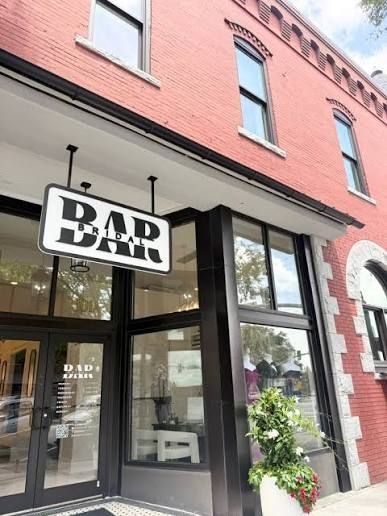
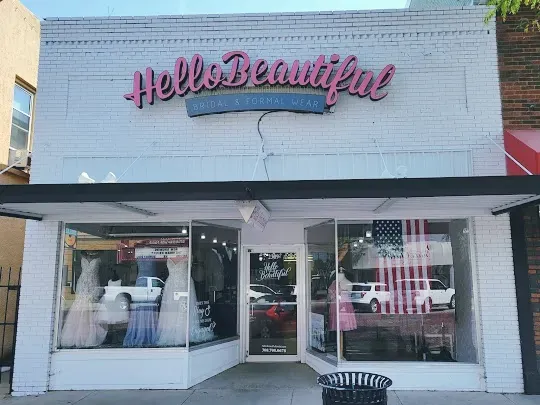
| Market | Dublin, Georgia | Kearney, Nebraska |
| Shop opened | June 2025 | December 2014 |
| Shop age at campaign start | 6 months | 7 years |
| Measured window | Jan to May 2026, 4.5 months | Jan 2022 to Sept 2025, 3.7 years |
| Ad budget | roughly $763 a month | roughly $600 a month now |
Meta Ads vs Google Ads for bridal shops, side by side
| Metric | Meta | |
|---|---|---|
| Cost per reported conversion | $5.91 | $18.09 |
| Conversions per month | about 129 | about 52 |
| Booked appointments per month | 10.8 | 7.0 online, plus phone bookings |
| Cost per booked appointment | $70.98 | $133.83 counting online only |
| Platform category CPL average | $27.66 | $72.24 |
| Below that category average | 78.6% | 75.0% |
| Return reported | 1,750% ROI | 747% ROI |
Now let me take that table apart, because half of it is misleading.
Why you cannot compare Meta and Google cost per lead directly
If you read the first row and concluded Meta leads are three times cheaper than Google leads, you have made exactly the mistake this whole section exists to prevent.
The word "conversion" means different things on each platform.
On Meta, one conversion is one instant-form opt-in. A bride taps twice, often while scrolling in bed at eleven at night, sometimes months before she is ready to try on a dress. That is a genuine lead and it is also the lowest-commitment action in this entire comparison.
On Google, one conversion is a phone call, a direction request, an online appointment booking, or a form submission. Here is how those 2,323 conversions actually broke down:
| Action | Share |
|---|---|
| Phone call to the store | 45.7% |
| Direction request | 37.7% |
| Online appointment booking | 13.5% |
| Contact form | 3.1% |
A woman who calls your store is not the same unit as a woman who tapped a form. Comparing $5.91 to $18.09 is comparing a raised hand to a conversation.
Three more things that are not equivalent, which I would rather name than have you find:
- Different shops in different markets. A seven-year-old Nebraska shop with an established reputation and a six-month-old Georgia shop nobody had heard of are not a controlled experiment.
- Different windows. Four and a half months against three and three quarter years. The Meta window also sat entirely inside peak engagement season, which flatters it.
- Different return math. The 17.5x folds a portion of my management fee into the spend. The 747% counts online appointments only and throws away 86.5% of the tracked conversions. Both are deliberately conservative, in different directions, which means they cannot be set against each other.
What you should take from the table is not a winner. It is the shape of each channel.
Google Ads captures bridal demand. Meta Ads creates it.
This is the actual difference and everything else follows from it.
A woman typing "bridal shops near me" has already decided to go dress shopping. The decision is made. The only open question is whose door she walks through. You are not persuading her to want a dress, you are winning a choice that is already in motion, and that is why intent-matched search keeps producing an $18.09 conversion in a category averaging $72.24.
A woman who got engaged at Christmas and is scrolling Instagram in January has typed nothing into a search bar. Nothing is in motion yet. A good offer can move her from "someday" to "this Saturday," which is a harder job and a different skill, and it is why the offer carries so much more weight on Meta than the targeting ever does.
| Google Search | Meta | |
|---|---|---|
| Job | Capture existing demand | Create new demand |
| Bride's state of mind | Already shopping | Has not started |
| What wins | Keyword and landing page match | The offer |
| Volume ceiling | How many people are searching | How many people you can reach |
| Typical conversion | Phone call | Instant form |
| Best for | Established shops | New shops, slow seasons |
The volume ceiling row is the one shop owners underestimate. Google can only sell you as much traffic as there are brides searching in your radius this month, and in a small market that number is finite. Meta has no such ceiling, which is exactly why a brand new shop in a town of twelve thousand can generate 564 leads in four and a half months.
Where bridal leads actually convert: phone calls vs form fills
The single most practical finding across both accounts.
On Google, 83.4% of conversions never touched the website. There were 3.38 phone calls for every online appointment booking. Brides picked up the phone.
On Meta, essentially all of it came through an instant form, because that is what the ad was built to produce.
That has a consequence most shops get wrong in both directions:
- Running Google without call tracking means you will look at your reporting, see a handful of form fills, and conclude search does not work. You will be looking at one seventh of the result.
- Running Meta without fast follow-up means you will collect hundreds of cheap opt-ins and convert almost none of them. Bar Bridal booked 8.33% of its leads, which I consider the weakest number in that whole campaign.
Each channel has a different failure mode. Google fails at measurement. Meta fails at follow-up.
Both bridal accounts beat their category average by the same margin
Here is the comparison I actually trust, because it measures each account against its own platform rather than against each other.
| Account | Its CPL | Category average | Gap |
|---|---|---|---|
| Bar Bridal, Meta | $5.91 | $27.66 | 78.6% lower |
| Hello Beautiful, Google | $18.09 | $72.24 | 75.0% lower |
78.6% and 75.0%. Two different platforms, two different shops, two different states, two different windows, and the margin over the category is nearly identical.
Which platform you pick matters less than whether you run it properly. That is the honest conclusion, and it is not the one an agency is supposed to give you.
What produced both results was the same handful of unglamorous things. Narrow targeting rather than broad. An offer or a keyword that matched what the person actually wanted. A landing experience that did not fight the ad. Continuous cutting of whatever stopped earning. None of that is platform-specific.
Should a bridal shop start with Meta Ads or Google Ads?
Pick one, run it properly, add the second later. Splitting a small budget across two platforms usually produces two accounts that never learn anything.
Start with Google if you are an established shop
You have a reputation, some reviews, and people in your area already searching your category by name. Capturing demand is cheaper than creating it, and search will tell you within weeks whether there is volume in your radius. Set up call tracking first, because most of your result will arrive as a ringing phone.
Start with Meta if you are new or in a thin market
If nobody knows you exist, there is very little existing demand with your name on it to capture. Bar Bridal was six months old in a town of roughly twelve thousand and Meta produced 564 leads in four and a half months, which search in that radius simply could not have done. Lead with an offer, and have your follow-up built before you turn the ads on.
Add the second channel when the first is stable
Once one channel is producing predictably and you know your cost per booked appointment, the other one gets easier to judge because you have a real benchmark of your own instead of somebody else's category average.
How to run Meta and Google Ads together for a bridal shop
- Measure the same thing on both. Cost per booked appointment, not cost per lead. It is the only metric that means the same thing on each platform.
- Compare against your average dress price. If you are paying under 5% of your average sale to get a bride through the door, you are winning regardless of which logo is on the invoice. Bar Bridal paid 2.8%.
- Give Meta the offer and Google the keywords. Effort on Meta belongs in what you are offering. Effort on Google belongs in match types and landing pages.
- Weight the calendar, not the platforms. Roughly 47% of couples get engaged between November and February. December through April deserves more of your annual budget than the rest of the year, on both channels.
- Work the non-converters in the off season. Bar Bridal ended its window with 517 leads who had raised a hand and not booked. Summer is when that list earns its keep rather than when you buy new leads at a worse rate.
Google Ads vs Meta Ads for Bridal Shops, Answered
Should a bridal shop run Meta ads or Google ads?
Google if the shop is established, Meta if it is new or in a small market. Google captures brides who have already decided to go dress shopping, which is cheaper than persuading someone to start. Meta creates demand among recently engaged women who have not begun looking, which is what a shop with no reputation needs. Run one properly before adding the second.
Can you compare cost per lead between Meta and Google?
Not directly, and this is the most common mistake in this comparison. A Meta conversion is typically one instant-form opt-in. A Google conversion in a bridal account is usually a phone call or a direction request, which represents far more intent. In the accounts described here, Meta reported $5.91 and Google $18.09, but 45.7% of the Google conversions were phone calls. Compare cost per booked appointment instead, which means the same thing on both platforms.
Which is cheaper for a bridal shop, Meta or Google?
Meta produced cheaper raw leads and a cheaper cost per booked appointment in these accounts, at $70.98 against $133.83 counting Google's online bookings alone. But Google's figure excludes appointments booked over the phone, which was 45.7% of its conversions, so the real gap is smaller than it appears. More usefully, both accounts came in about 75 to 79% below their own platform's category average, which suggests execution matters more than platform.
Which platform is better for a brand new bridal shop?
Meta. A new shop has almost no existing demand attached to its name, so there is little for search to capture. Bar Bridal was six months old in a town of roughly twelve thousand and generated 564 leads in four and a half months on Meta, which search volume in that radius could not have matched.
Why do Google Ads produce phone calls and Meta ads produce form fills?
Because of intent and format. A bride searching has already decided to shop and often wants to ask a question out loud, whether you carry a designer or have her size, so she calls. A woman served an ad on Instagram has not started shopping, so the ad offers her the lowest-friction action available, which is a two-tap instant form. In the Google account described here, 83.4% of conversions happened off the website entirely.
Can a bridal shop run both Meta and Google ads on a small budget?
Eventually, but not at the start. Splitting a few hundred dollars a month across two platforms usually leaves both without enough data to optimize. Run one channel until you know your own cost per booked appointment, then use that as the benchmark for judging the second.
What is the biggest mistake bridal shops make on each platform?
On Google, running without call tracking. Since 83.4% of conversions in that account arrived as phone calls or direction requests, a shop measuring only form fills sees roughly one seventh of its results and concludes search does not work. On Meta, weak follow-up. Cheap opt-ins are easy to collect and easy to waste, and only 8.33% of Bar Bridal's leads converted into booked appointments.
The short answer for bridal shop owners
If you read nothing else:
- Google Ads captures brides who have already decided to shop. Cheaper per outcome, capped by how many people search in your radius, and most of the result arrives as a phone call.
- Meta Ads creates demand among brides who have not started. No volume ceiling, wins or loses on the offer, and most of the result arrives as a form fill that needs fast follow-up.
- Established shop, start with Google. New shop or thin market, start with Meta. Run one properly before adding the second.
- Measure cost per booked appointment, not cost per lead. It is the only figure that means the same thing on both platforms.
- Under 5% of your average dress price to get a bride through the door is a win on either channel. Bar Bridal paid 2.8%.
- Execution beat platform in both accounts. 78.6% and 75.0% below category average, on two different platforms, from the same unglamorous habits.
Get a free bridal acquisition audit
If you are already running ads and cannot tell whether they are working, that is usually a measurement problem rather than an advertising problem, and it is the most common thing I find.
The audit covers four things: your existing Google Ads or Meta account and where it is leaking, your Google Business Profile, the actual path from ad click to booked appointment on your website, and what your closest local competitors are doing. No cost and no obligation.
It is also the same audit that started the Hello Beautiful Bridal relationship back in 2021, and they are still a client five years later.
Book your free bridal acquisition audit here.
Nathan Murray is the founder of Murray Marketing Services, where he runs paid advertising for bridal shops across the country. The Meta figures come from Bar Bridal in Dublin, Georgia, and the Google figures from Hello Beautiful Bridal & Formal Wear in Kearney, Nebraska. Both sets are pulled from those accounts' own conversion tracking for the periods stated. Full breakdowns: the Meta campaign and the Google campaign.
About the Author:
Nathan Murray, Founder, Murray Marketing Services
Murray Marketing Services is a digital marketing agency for service-based businesses, focused on getting you more leads within 30 days without adding more to your plate.
We specialize in Google Ads, social media marketing, website design, local SEO, and AI systems.
In 2023, Murray Marketing Services was awarded 2 Best of Kearney Awards in the marketing category by readers of the Kearney Hub.
As an extension of your team, your business is not a number like you might be at most large agencies.
I personally work with you to tailor a strategy specific to YOUR business & YOUR market. Not every business in your industry is the same, and your campaign shouldn't be set up like it is.
Since launching in 2021, we've had the privilege of working with over 100 service businesses across 18 different states.
If you're looking for a Founder-led partnership & are ready to feel good about your marketing again, schedule a free discovery call below.
Worst case, you get a free audit & takeaways you can implement with or without us.
Best case, your business grows without you having to do anything.

Related Blogs